

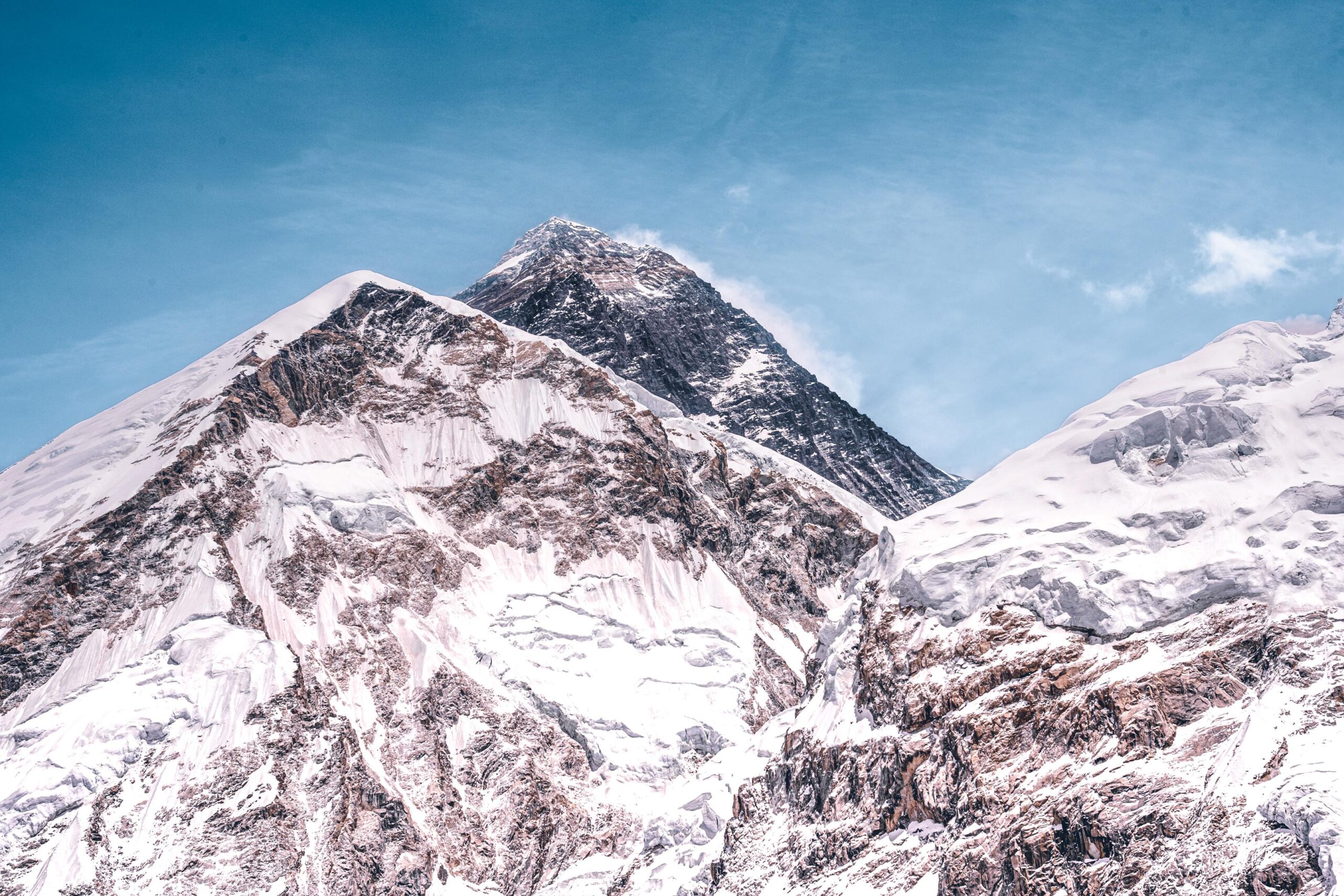
Death Zone on Everest, where the conditions turn deadly fast due to thin air, brutal cold, plus sudden weather swings. The mountain Climbers face severe oxygen loss which messes with judgment and movement. Survival often depends on timing, gear quality, along with team coordination. Emergency evacuations, helicopters struggle at that height, though a few rescues have worked since 2015. Over the last ten years, satellite and better forecasting helped reduce some dangers. Still, bodies remain visible, reminding everyone how unforgiving this zone is. Preparation matters way more than courage here.
For guides or climbers planning an ascent, knowing recent patterns beats relying on old myths.
Mount Everest Overview
Mount Everest hits 8,848.86 meters is the tallest point on Earth and draws extreme climbers chasing tough goals. Though plenty hit Base Camp every year, only a few go higher, once past 8,000 meters, it’s called the “Death Zone,” where survival gets way harder due to thin air and brutal cold.
In high places like these, air gets way thinner, storms pop up out of nowhere, while small setbacks might end badly. Knowing dangers getting ready well, is key if you want to climb up safely or come back down without trouble.
Understanding of Death Zone on Mount Everest
The Death Zone means heights beyond 8,000 meters (26,247 ft), that’s where people can’t adjust anymore. Because oxygen falls to about a third of what it is at sea level staying alive for long becomes nearly unfeasible.
Though mishaps might happen at any spot-on Everest, most dangerous situations lately tie back to:
Altitude-related illnesses:
High up, lungs can fill with fluid this HAPE thing kills a lot. Brain swelling at extreme heights, called HACE, also leads to death out there.
Altitude-related illnesses:
Feeling totally wiped out makes you move sluggish, so getting down becomes risky yet careful steps help avoid trouble.
Weather shifts plus freezing temps:
Strong gusts plus thunderstorms often hit beyond 8,000 meters weather flips fast up there.
Bottlenecks but also crowding:
Crowds at peak times particularly near the Hillary Step or tight ridge paths make people hang around way up high, using up bottled air faster than planned.
Falls along with risky exposure and plus dangerous ground conditions:
The sharp, frozen hills are always dangerous more so while going down, since that’s when tiredness hits hardest.
Death Zone on Mount Everest Figures from 2015 to 2024
Besides being a basic overview, this covers known deaths plus patterns seen on Everest during the last ten years. Figures cover both climbers and local crew across every path up the mountain.
| Year | Overview of Fatalities & Key Notes |
| 2015 | 19 people died when a quake-caused snow slide hit Base Camp among the worst events ever on Everest. |
| 2016-2017 | 2 People Died: Still seen as a pretty calm season for climbs, though. |
| 2018 | Some peaks saw deaths – yet weather stayed good throughout the season. |
| 2019 | 11 People Died: Crowds piled up, while delays at the top made things worse. |
| 2020 | Few trips because of the virus hardly any deaths noted. |
| 2021 | Climbing started again: Some died from high altitudes others from bad weather. |
| 2022 | A few deaths happened when more climbers reached the top. Although conditions stayed steady during peak climbs. |
| 2023 | 18 People Died: seen by many as among the worst outbreaks since 2015. |
| 2024 | 8 deaths recorded despite more than 800 successful climbs better planning along with favorable conditions cut danger. |
Note: This data is taken from Himalayan DataBase.
Trend for Climbing Mount Everest
Even though more people are reaching the top, better gear, updated oxygen tools, faster supply routes, along with experienced guides have lowered death chances for each climber. Still, when crowds pile up or storms hit hard, fatalities jump fast.
Most needed Precautions for Climbers on Mount Everest
Robust Medical Screening:
Climbers need complete heart plus lung checks must get approval before facing high elevations.
Acclimatization Program:
A slow shift toward upper camps lets your body adjust before you hit the deadliest altitudes.
Gear, Clothing and Equipment’s:
Down suits plus insulated boots stay essential. Layered gear matters oxygen systems must work without fail.
Fitness: Both Mental and Physical:
The climbers must be mentally fit and physically strong for the expedition. Emotion should be controlled during the entire expedition.
Must Choose a highly experienced Expedition Operator:
The climber must choose the highly experienced expedition operator for their expedition journey as it is determining their life. These operators have good experience Sherpa guide and good take care of their climbers. The have the backup plan and emergency evacuation plan.
Find the best expeditions operator in Nepal in 2025/2026.
Important Safety Measures Inside the Death Zone Mount Everest
Use of Supplemental Oxygen:
Many climbers need around 2 to 4 liters every minute. Besides, it’s smart to bring extra bottles along with backup regulators.
Strict Turnaround Times:
Leaders need to stick to set time limits so hikers don’t push forward when risks rise.
Hydration & Energy Management:
Drinking enough water helps a lot – also, eating snacks with solid calories makes a difference since being dehydrated can make mountain sickness worse.
Monitoring Vital Signs:
Pulse Oximeters keep an eye on oxygen levels – sharp falls mean you should head down fast.
Weather and Traffic Management:
Climbers ought to check current weather reports – also steer clear of busy times if they can.
Emergency Evacuation Protocols on Mount Everest
1. Self-Evacuation
Falling by yourself moves you down quicker while staying out of danger yet it needs balance, or risk spins control away.
2. Assisted Descent by Sherpa’s or Guides
If a climber’s awake but having trouble, Sherpa’s help them down using ropes toward lower camps.
3. High-Altitude Rescue Attempts
Getting people down from over 26,000 feet is tough often risky. Just a few expert climbers from the region will try it.
4. Helicopter Evacuation (From Lower Camps)
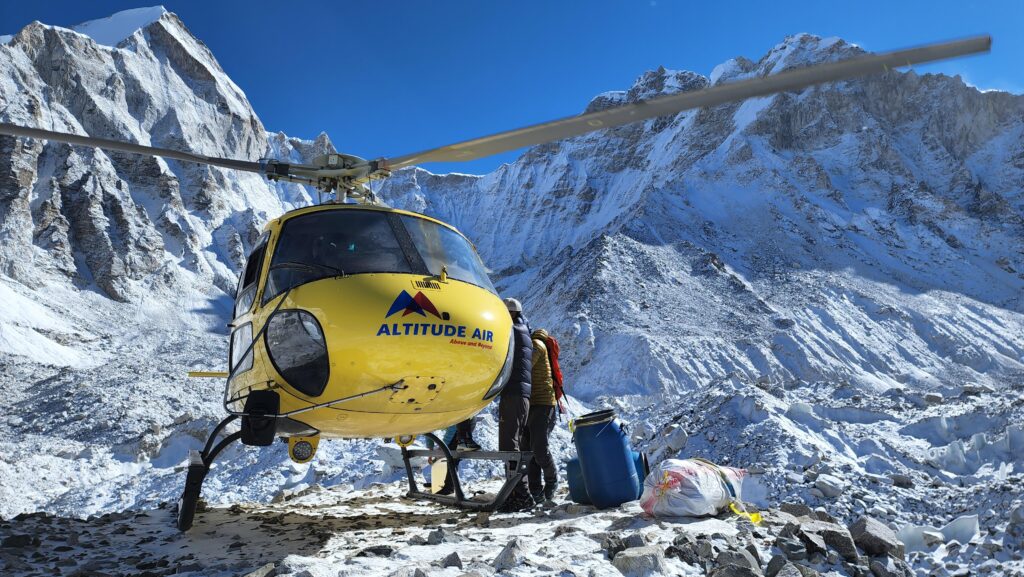
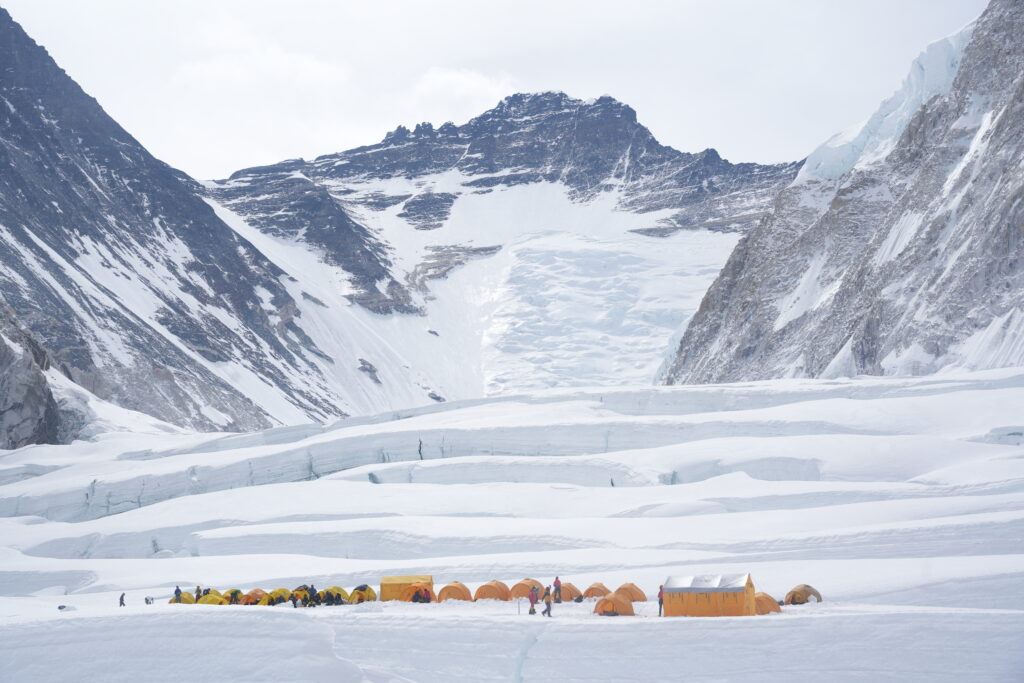
Heli evac works from Base Camp or spots in the Western Cwm when weather’s clear. But it depends on wind, visibility and how high the zone is. Getting people out right from the Death Zone is almost never doable.
5. Medical Treatment Post-Evacuation
Folks brought down to Kathmandu usually need checking for fluid in lungs, brain swelling, cold burns or lack of water sometimes one, sometimes more.
6. High Altitude Insurance
The climber must have high altitude insurance of at least US$1,00,000/- for their medical and evacuation insurance. This insurance will sage guard their life in the mountain or in the time of emergency.
Some of the High-Altitude Insurance Providers are:
Weather Forecasting:
Must have the renowned weather forecast during the entire expedition.
Conclusion:
The Death Zone atop Everest is among the toughest places people faced. Though better gear, seasoned leaders, plus updated weather guesses opened paths up high, the peak still requires caution, solid planning, or sharp choices when things shift.
- The past ten years since 2015 show one thing for sure:
- Firm transport plans along with steady air supply keep people alive
- Storms or big groups need quick thinking so staying alert matters just as much as planning ahead
- Dropping fast when things go wrong matters most
- The Death Zone is never a place for complacency
For those who climb or plan mountain trips also anyone chasing big outdoor thrills knowing what’s really going on helps boost odds of reaching the top safely. While clear info might seem small, it often makes the key difference when things get tough up high.
Thank for visiting us!
For more updates do visit our social media as well: